Commercial Waste in Amersham

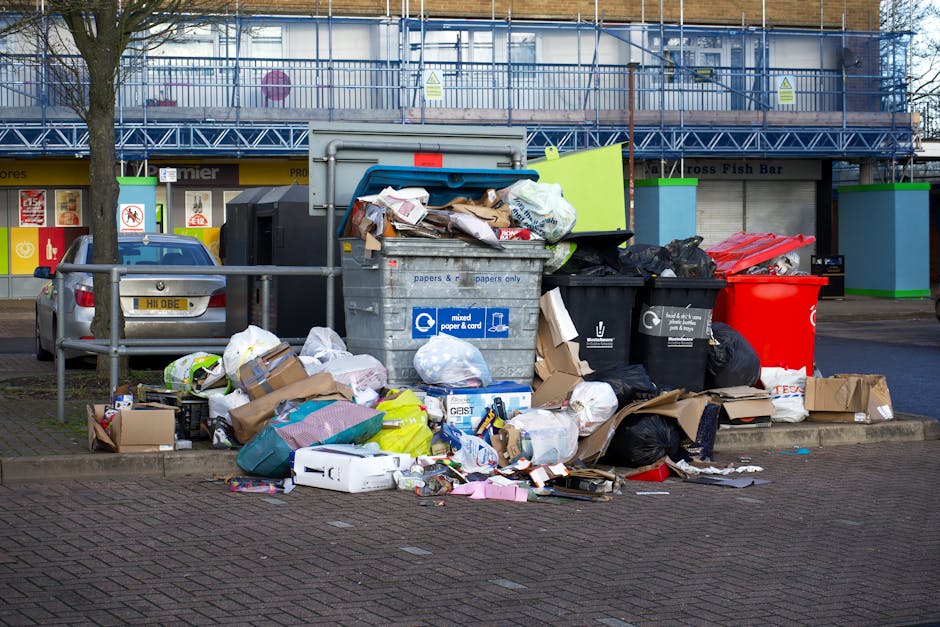
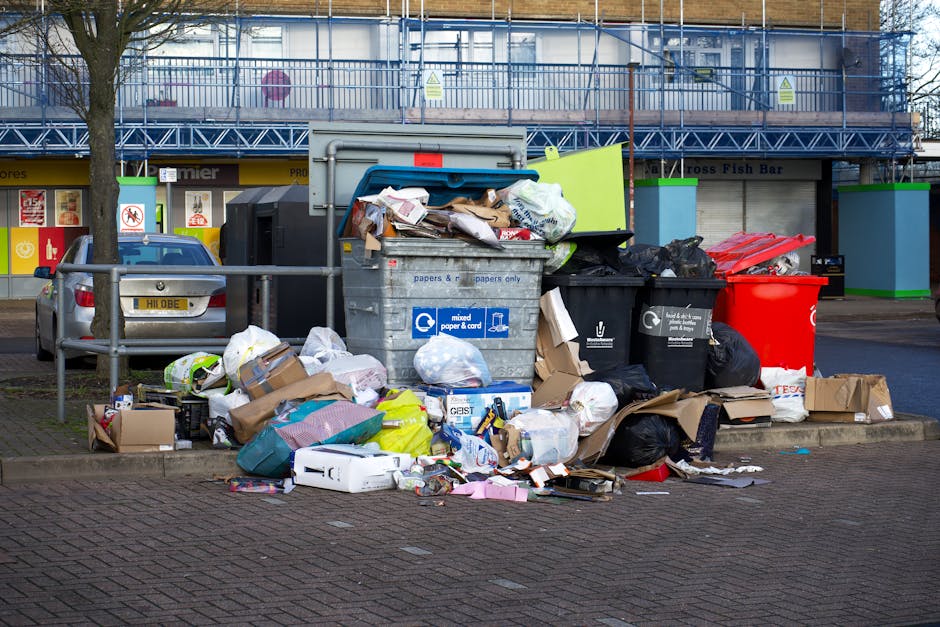
Commercial waste in Amersham should be handled with a clear plan, practical collection methods and a sensible view of what can be separated for recycling, recovery or disposal. We provide a straightforward waste removal service for businesses that need regular or one-off help with unwanted materials, bulky items and mixed rubbish. The aim is simple: keep your premises tidier, reduce disruption and deal with waste in a way that is organised, lawful and easy to arrange.
Our service can suit offices, shops, trades, hospitality settings and other workplaces that build up waste in different forms. Where items can be sorted, we can separate them into appropriate streams rather than treating everything as one load. That approach helps with routine clear-outs as well as jobs created by a change of layout, stock refresh, equipment replacement or general accumulation. If you are planning a clearance, start by noting the main waste types and the access arrangements, then ask for a quotation based on the actual work.
Request a quotation when you are ready to compare the practical options for your site, the amount of material involved and the kind of collection schedule that fits your operation.
Business waste collection options

Our business waste collections are designed for day-to-day waste that builds up around premises without needing a full clearance each time. That can include general rubbish, packaging, office leftovers, small fixtures and other non-hazardous material generated during ordinary trading. For many customers, the most useful arrangement is a collection that matches the rhythm of the business, so waste does not accumulate to the point where it affects staff, visitors or storage space.
We can also help when there is a more varied load that includes several types of commercial waste in one visit. In those situations, it is often sensible to identify what is reusable, recyclable or bulky before the collection is arranged. The more clearly the waste is described, the easier it is to plan the labour, vehicle space and disposal route. If you want to keep the process efficient, prepare a simple list of what needs to go and note any access restrictions in advance.
Typical business waste jobs may involve ongoing removals from small premises, occasional clearances after a reorganisation or the removal of accumulated waste that is no longer practical to store. We handle collections with a focus on practicality rather than complication, and our service can be adapted to the scale of the load. For recurring waste, it is usually best to think about collection frequency; for one-off work, the important point is describing the material accurately enough to build a proper quotation.
Office clearance and workspace waste
Office waste often includes paper, packaging, broken furniture, filing material, obsolete equipment and miscellaneous items that have built up around desks, cupboards or storage rooms. An office clearance is usually most effective when the items are grouped into categories before removal. That makes it easier to decide what is ready to go, what may need special handling and what should stay in place because it still has a use. For many businesses, the aim is to restore usable floor space without interrupting daily work more than necessary.
We can assist with office clearances that involve a mix of light commercial waste and bulkier items. Desks, chairs, shelving, drawers, monitors and boxed materials may all need different handling, especially where the load must be moved through shared entrances, upper floors or narrow corridors. A brief inventory is useful because it gives a clearer idea of labour and vehicle space, and it helps avoid delays on the day. Office clearance can also be the right route when a workspace is being refreshed rather than fully vacated.
Some offices only need a modest clearance after a tidy-up, while others are dealing with accumulated material from a longer period of use. In either case, the work benefits from clear access, known lifting points and an understanding of whether items are simply being removed or also sorted for recycling. Useful preparation is simple: identify what should be collected, keep walkways open where possible and tell us about any fragile surfaces or building rules that affect the job.
Bulky items, furniture and appliance removal
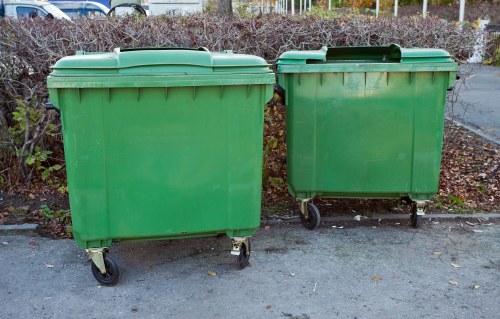
Many commercial premises need help with bulky items that are awkward to move and unsuitable for ordinary bins. Furniture, appliances and mixed fittings may need to be removed from offices, shops, storerooms or back-of-house areas when they are no longer needed. This work is often about safe handling as much as disposal, because heavier items can be difficult to lift, turn or carry through tight spaces without a plan.
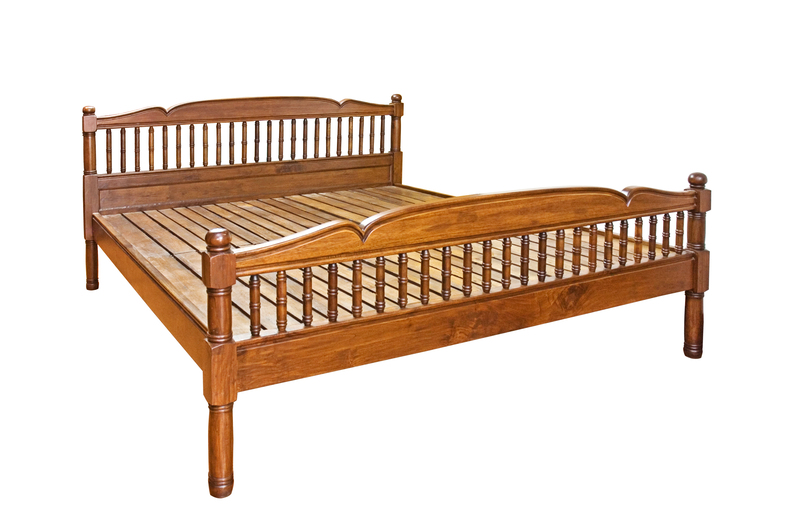
We provide furniture removal, furniture disposal and appliance collection where the job fits the waste profile and access is manageable. Chairs, tables, cabinets, worktops, shelving and certain electrical items are all common examples of the sort of material that may need individual attention. In some cases a clean break is needed before replacement goods can be installed; in others, the main aim is to clear space after decommissioning or a refit. Furniture clearance is a practical option when several items need to go together.
Where appliances are involved, it helps to say whether they are freestanding, built-in or simply stacked in storage. That distinction affects removal time and the handling required. We also consider whether the load contains mixed materials that need to be separated, such as metal, plastics, timber or fabric. If you are comparing options, ask for a quotation that reflects the actual item list rather than a rough guess, because bulky waste is best priced from a clear description.
Site clearances for storage, stock and fit-out waste
Commercial premises rarely produce only one waste type. Storage rooms, back offices, service areas and underused corners can fill with stock remnants, broken fittings, packaging, archived material and mixed waste that no longer has a place on site. A structured site clearance is useful when the problem is broader than a single item or room. It allows waste to be removed in a way that respects the layout of the premises and the order in which different materials should be dealt with.
For customers managing a change of use, a layout refresh or a general reset of stored materials, it can help to think in zones. One area may contain furniture, another may have boxed stock, and a third may hold items that are simply waiting for disposal. By separating the categories, the collection can be arranged more accurately and the finished result is usually tidier. If you need a wider waste removal service, it is worth listing every area that needs attention before anything is booked.
We aim to make clearances manageable by matching the removal method to the material involved. That may mean grouping light waste together, isolating bulky items and keeping potentially awkward materials separate so they can be handled properly. Good access planning matters, especially where waste is located upstairs, behind counters or in locked storage. When the work is described carefully, the quotation can reflect the real scope more closely and the clearance itself becomes easier to organise.
Trade waste, builders waste and heavier loads
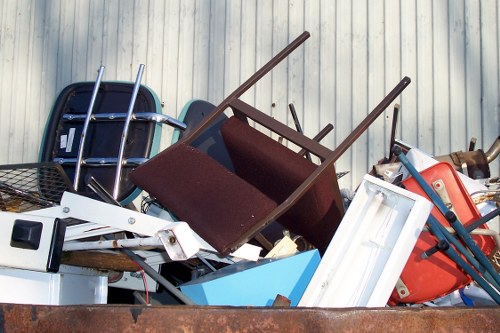
Some commercial waste comes from refurbishment, repair or improvement work rather than day-to-day trading. Offcuts, packaging, boards, broken fixtures and other site debris can build up quickly during a fit-out or maintenance project. Builders waste and trade waste usually need a firmer plan than ordinary rubbish because the materials can be heavier, dirtier or more mixed. It is often best to identify the main debris types before collection so the load can be prepared efficiently.
We can help with builders waste clearance where the load is suitable for removal and the site conditions are workable. That may involve bagged rubble, timber, plasterboard, packaging, metal offcuts or discarded fittings, depending on the job. The important point is not to leave different material types mixed together without any description, because that can affect how the work is carried out. A simple breakdown of the waste helps with planning and prevents misunderstandings about what is included.
If the waste is spread over more than one room or floor, the best approach is often to note where it sits and whether anything needs dismantling first. Trade waste jobs can vary a great deal in size, so a careful description is better than broad language. Clear access, honest itemisation and realistic timing all help the collection to run smoothly. Where needed, we can discuss disposal of mixed commercial debris alongside other waste already on site, rather than treating each item in isolation.
Confidential documents and specialist waste
Not all commercial waste is visible in the same way. Some workplaces accumulate documents, records and sensitive papers that cannot simply be put out with ordinary rubbish. Confidential shredding is useful when files, paperwork or printed material need to be destroyed in a controlled manner rather than left loose in general waste. It is especially relevant where offices have closed files, outdated records or paperwork that should not remain accessible.
We also deal with certain specialist waste streams where the material needs more specific handling. Some items may be better separated before collection because they have different disposal routes or handling considerations. Where a job includes mixed waste, it is usually best to note any items that should not be combined with the general load. Confidential shredding is one example of a focused service that suits materials requiring discretion and proper destruction.
For this kind of work, the most useful information is a plain description of what must be removed and how it is stored. That could include boxed paperwork, loose files, archive material or materials kept in cupboards and cabinets. If there are multiple categories in one location, it may be better to separate them before collection so the work can be priced and handled appropriately. For customers, the advantage is a more orderly clear-out and a clearer understanding of what is being removed from the premises.
Recycling, sustainability and responsible handling
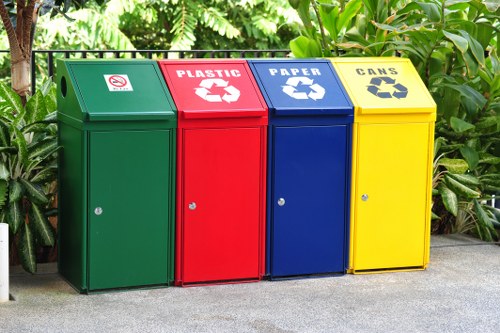
Responsible commercial waste handling is not just about removing items from site. It is also about considering which materials may be recycled, what can be recovered and what must go to disposal. For businesses, that matters because mixed waste often contains more than one useful stream. Cardboard, certain metals, some furniture components and other separable materials may be treated differently from general rubbish when the load is assessed properly.
We approach each collection with recycling and sustainability in mind, but without overstating what can be recovered from every load. The real outcome depends on the condition of the items, the way they are sorted and the composition of the waste itself. Where possible, separating materials at source makes the process more practical and can help reduce avoidable mixing. Recycling and sustainability gives further information on the approach we take to waste handling and resource recovery.
If you are planning a job with a varied load, it is worth thinking about what can be kept apart rather than placed into one mixed pile. That may include cardboard from packaging, reusable fixtures, or certain bulky items that can be processed more effectively when identified clearly. A well-prepared collection is usually calmer to manage, easier to assess and more likely to move through the correct disposal route. Ask for a quotation once you have a rough list of the materials and the location of the waste.
About Amersham
Amersham is a market town in Buckinghamshire, positioned in the Chiltern Hills and divided between the historic Old Amersham at the foot of the valley and the later Amersham-on-the-Hill area on higher ground. The old centre grew up around the River Misbourne and retains a clear historic character, with streets that reflect the town’s long development as a settlement and market place. The parish church of St Mary’s, with its medieval origins, is one of the notable landmarks associated with the older part of town, while the surrounding streets contain a mix of timber-framed and brick buildings that speak to successive periods of growth and rebuilding. The town’s link to the railway arrived in the twentieth century, and Amersham-on-the-Hill developed as a distinct centre with shops, services and transport connections that changed the way the wider town functioned. Nearby countryside remains a strong feature of the area, with access to the Chiltern landscape, wooded slopes and public paths that connect the town to the broader national character of the region. Amersham also sits within a district known for its balance of older heritage, residential neighbourhoods and commuter connections, giving it a place that feels both historically grounded and outward looking. The result is a town with two recognisable layers: the older valley settlement and the newer hilltop centre, each contributing to the identity of the place.
Pricing, access and practical quotation details
When a commercial waste job is priced well, the quotation usually reflects a few practical factors rather than a vague estimate. The volume of waste matters, as does the type of material, the ease of access and whether lifting, sorting or dismantling is required. A small pile of light waste is not the same as a load of heavy mixed items, and a collection from a ground-floor store room is very different from one that involves stairs, restricted parking or a long carry to the vehicle.
It is helpful to describe the job plainly. A simple list of items, the number of rooms or areas involved and any special handling points will usually give a better basis for pricing than a broad request alone. If your waste includes several categories, you can note which items are mixed and which are separate. Pricing and quotes may help you understand how the quotation process is organised, while a clear description of the site remains the most useful starting point.
There is no need to overcomplicate the request. If you know the material type, the access route and the approximate amount, that is usually enough to begin. Where the load includes bulky items, awkward furniture or mixed commercial waste, saying so early helps the quote reflect the real work. Tell us what needs removing, where it is located and whether there are any timing or access constraints, then request a quotation in the way that suits you best.