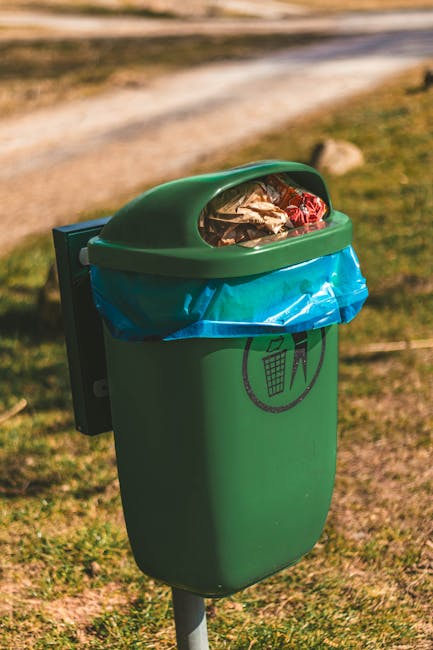
Buckinghamshire Council rules for rubbish disposal in Amersham: a practical local guide
If you live or work in Amersham, rubbish disposal can feel oddly complicated for something so ordinary. One day it is a broken chair, the next it is garden cuttings, flat-pack packaging, old paint tins, or a van full of builder's debris after a weekend job. Buckinghamshire Council rules for rubbish disposal in Amersham are there to keep waste moving safely, protect local streets, and make sure recyclable materials are handled properly. The tricky bit is knowing what goes where, what counts as bulky waste, and when you need a licensed waste carrier instead of the kerbside bin. This guide breaks it down in plain English, with the practical bits first.
Why Buckinghamshire Council rules for rubbish disposal in Amersham Matters
Let's face it: rubbish is not glamorous. But the way you dispose of it has real consequences. In Amersham, following the council's rules helps keep pavements clear, reduces fly-tipping, supports recycling, and protects householders from enforcement issues. It also saves time. A bag left beside a bin, or a sofa dumped without arranging the right collection, can quickly turn into an avoidable headache.
There is also a very local reason this matters. Amersham has a mix of older homes, flats, newer developments, narrow residential roads, and busy commercial spaces. That means waste presents itself in different ways depending on where you are standing. A family in a terraced house may need help with bulky items after a clear-out. A business on a high street may need controlled handling for confidential paperwork and mixed waste. A landlord might need to clear a flat between tenancies. Same town, different problems.
When residents understand the basics of the council approach, they are less likely to put the wrong item in the wrong container, less likely to miss a collection, and more likely to keep things neat and lawful. Simple, really. Not always easy, but simple.
Key takeaway: the safest approach is to separate rubbish, recycling, bulky items, and hazardous materials before disposal, then use the correct council route or a licensed private collection service where needed.
How Buckinghamshire Council rules for rubbish disposal in Amersham Works
The council's approach generally follows a straightforward principle: ordinary household waste should go in the correct bin or container, recyclable material should be separated where possible, and items that cannot be collected through standard services need a special solution. That might mean a bulky waste collection, a household waste site visit, or a private clearance service if the item is not suitable for normal council handling.
For most residents, the process starts with the everyday bins. General rubbish goes where general rubbish is supposed to go, recyclables are sorted separately, and food waste, garden waste, or glass may have their own collection arrangements depending on your property and service level. If you are unsure, check what your property is set up for rather than guessing. Guessing is where the mess begins.
Then comes the awkward category: bulky waste. Think mattresses, wardrobes, broken appliances, sofas, old sheds, and similar large items. These usually need advance arrangement rather than being left outside. If the item is particularly heavy, sharp, contaminated, or electrically dangerous, it may need specialist handling. That is where services such as mattress and sofa disposal, fridge and appliance removal, or general waste removal become useful.
For trade waste, builders' waste, office clear-outs, or repeated commercial rubbish streams, household rules are not enough. Businesses have a duty to manage waste correctly, keep transfer records where appropriate, and use a carrier that can lawfully transport the material. That is where business waste removal and more specialist services become relevant.
There is one more thing worth saying plainly: not every item should be treated as general rubbish just because it is inconvenient. Paint, solvents, chemicals, asbestos-containing materials, fridges with refrigerants, batteries, and some electrical items can require extra care. If in doubt, treat it as potentially restricted until you know otherwise.
Key Benefits and Practical Advantages
Following the right disposal rules is not just about staying out of trouble. There are some very real practical benefits, and they show up quickly once you get organised.
- Less clutter at home: clear sorting means fewer piles building up in hallways, garages, or gardens.
- Cleaner recycling outcomes: separated materials are easier to process and less likely to be rejected.
- Lower risk of missed collections: the right bin, the right day, the right placement. Boring but effective.
- Reduced fly-tipping risk: rubbish is less likely to be dumped illegally when households know the proper route.
- Better compliance: especially important for landlords, letting agents, shops, offices, and tradespeople.
- Less stress during clear-outs: whether you are moving house or emptying a loft, the process feels less chaotic.
There is also a financial upside. If you sort waste properly before collection, you often avoid extra charges for contaminated loads, repeated visits, or emergency last-minute removals. In practice, that can make a very ordinary clear-out feel a lot more manageable.
For anyone comparing disposal options, the service model matters too. A council route may suit routine waste. A private clearance may suit mixed, bulky, or time-sensitive loads. If your job is more than a couple of bin bags, it can be worth checking pricing and quotes before you commit to a plan.
Who This Is For and When It Makes Sense
This topic is for more people than you might think. In Amersham, rubbish disposal rules affect households, landlords, tenants, shop owners, tradespeople, offices, and anyone managing a property clean-up. If you have ever stared at a pile of waste and wondered, "Can I actually put this out like this?", you are in the right place.
Typical scenarios include:
- a family clearing out a spare room or loft after years of storage;
- a tenant leaving behind bulky items after a move;
- a landlord needing a flat cleared between occupancies;
- a builder with plasterboard, timber, rubble, and packaging from a job;
- an office replacing desks, chairs, and old electronics;
- a homeowner tidying a garden after landscaping or pruning.
Some of these situations are normal household waste. Others are not. A garden clear-up might be straightforward, while a renovation can produce heavy materials and awkward waste streams that need specialist collection. That is why services such as garden clearance, builders waste clearance, or office clearance can be more practical than trying to force everything into standard bins.
If you are unsure whether your situation fits the council system or a private clearance route, a simple test helps: is it small, ordinary, and accepted by your normal service? If yes, council disposal may work. If it is bulky, mixed, hazardous, or time-sensitive, a specialist option is often the calmer choice.
Step-by-Step Guidance
Here is a sensible way to handle rubbish disposal in Amersham without making life harder than it needs to be.
- Identify the waste type. Separate general rubbish, recycling, bulky items, green waste, electricals, and anything hazardous.
- Check whether it is household or trade waste. Trade waste usually needs a different disposal route and proper documentation.
- Reduce and sort first. Remove reusable items, flatten cardboard, bag loose waste, and keep sharp objects contained.
- Choose the right route. Use your council collection system for ordinary waste, or arrange a specialist service for larger or restricted items.
- Prepare items safely. Empty fridges, secure drawers, tape doors shut if needed, and avoid lifting heavy items alone.
- Place waste correctly for collection. Follow collection-day instructions carefully. A bin can be in the right street and still be wrong if it is positioned badly.
- Keep records if you are a business. Notes, invoices, or waste transfer paperwork can help show you handled the waste responsibly.
For example, if you are clearing an old garage, do not make the mistake of mixing paint tins, broken shelving, scrap wood, and household rubbish into one pile and hoping for the best. Sort it. Then decide what can go in normal disposal, what needs a special collection, and what may require a hazardous route. That bit of upfront effort saves hours later.
If the waste is awkward but not dangerous, something like garage clearance or loft clearance can be a practical middle ground. You get the mess removed without having to rent space in your driveway for a week. Which, frankly, nobody enjoys.
Expert Tips for Better Results
The best rubbish disposal jobs are the ones that look effortless from the outside. Usually, a bit of planning has gone on behind the scenes.
- Start with a "keep, donate, dispose" split. You will often cut the rubbish pile in half before you even begin.
- Keep hazardous items separate from day one. Do not let batteries, solvents, or sharp waste get mixed into a normal pile.
- Break down bulky items early. Flat-pack boxes, dismantled furniture, and bagged soft waste are easier to move.
- Think about access. Narrow stairs, shared entrances, and parked cars can affect collection timing and effort.
- Match the service to the job. A single mattress is one thing; a full house clear-out is another entirely.
- Ask yourself whether speed matters. If you need the waste gone before a viewing, handover, or renovation start date, council timing may not be ideal.
One small, practical habit makes a big difference: stage waste near the exit, not in the middle of the room. It sounds obvious. Yet most people end up walking around their own pile three times before they start. Been there, honestly.
If your waste includes paper records, old client files, or sensitive paperwork, do not just throw them into black sacks. Use a secure disposal route such as confidential shredding. It is a small decision that can prevent a much bigger headache.
Common Mistakes to Avoid
Most disposal problems are caused by a few predictable mistakes. The good news is that they are easy to avoid once you know what to look for.
- Leaving items beside bins instead of arranging collection. This is a common cause of complaints and missed collections.
- Mixing hazardous waste into general rubbish. This can create safety risks and may lead to rejection of the load.
- Overfilling bins or containers. Lids should close where possible, and collections often depend on sensible presentation.
- Assuming every bulky item is accepted the same way. Mattresses, fridges, furniture, and builders' waste can all follow different rules.
- Using an unlicensed collector. If someone offers to "take it away cheap" and leaves you with a fly-tipping problem, you can still face the consequences.
- Ignoring trade waste obligations. Businesses need a proper system. That is not a nice-to-have.
The annoying truth is that the cheapest option can become the most expensive one if the waste is dumped illegally or rejected because it was not separated properly. A little care upfront is worth a lot here.
And yes, it is tempting to "just get rid of it somehow" when the pile is looking at you from the corner of the room. But a calmer method usually wins.
Tools, Resources and Recommendations
You do not need a complex toolkit to dispose of rubbish well. A few basic items and a sensible plan are enough for most jobs.
- Heavy-duty bags: useful for mixed general waste and garden debris.
- Gloves and sturdy footwear: especially when handling broken items or garden waste.
- Box cutters and screwdrivers: helpful for dismantling flat-pack furniture and packaging.
- Labels or marker pens: a simple way to mark "recycling", "keep", "hazardous", or "dispose".
- Dust sheets and tarps: useful when waste is being staged indoors or outside.
- Protective containers for sharp items: old tubs or rigid boxes help keep everyone safe.
For larger jobs, the most helpful resource is not a tool at all; it is a clear service choice. If you need to clear a house after a move, a house clearance or home clearance service can save time and reduce the back-and-forth of multiple disposal trips. For furniture-heavy jobs, furniture clearance and furniture disposal are often more efficient than trying to dismantle everything yourself.
If you are weighing up options, it may also help to read about recycling and sustainability so you can understand how mixed waste can sometimes be separated for better recovery. Not every item can be reused, of course, but the more you sort, the better the outcome tends to be.
Law, Compliance, Standards, or Best Practice
Waste disposal sits in a regulated space, even when it feels like a simple household task. The broad expectation in the UK is that waste should be stored, presented, carried, and disposed of in a way that avoids harm and avoids illegal dumping. In practical terms, that means using the correct collection route, not handing waste to unknown operators, and taking extra care with anything hazardous.
For households, best practice means following the council's container rules, separating recyclables, and arranging appropriate collection for bulky items instead of abandoning them beside the road. For businesses, the standards are higher. Commercial waste should be managed responsibly, and the business should be able to show that waste has been transferred to a legitimate carrier and handled properly.
There is also a safety angle. Heavy lifting, broken glass, needles, contaminated materials, and electrical appliances all carry obvious risks. If waste feels unsafe to handle, treat that as a signal to slow down. That is not being cautious for the sake of it; it is sensible.
Private clearance providers should be insured and operate with appropriate safety controls. If you are considering a service, it is reasonable to review pages such as insurance and safety and health and safety policy so you know what standards the provider says it follows. For business users, it can also be useful to look at business waste removal alongside general compliance needs.
In short: if a disposal method is easy, cheap, and unofficial, it is worth asking one extra question. Who is actually responsible if something goes wrong?
Options, Methods, or Comparison Table
Different rubbish disposal methods suit different situations. The right choice depends on volume, item type, urgency, and how much effort you want to put in. Here is a simple comparison.
| Option | Best for | Advantages | Watch out for |
|---|---|---|---|
| Council kerbside collection | Routine household waste and standard recycling | Convenient, familiar, usually low friction | Strict rules on what goes where; limited to accepted items |
| Bulky waste arrangement | Single large household items | Suitable for sofas, mattresses, and similar items | Needs preparation and may not suit mixed loads |
| Private clearance service | Mixed, bulky, or time-sensitive waste | Flexible, quicker, can handle awkward clear-outs | Choose a reputable, compliant provider |
| Specialist disposal | Hazardous or restricted waste | Safer, more appropriate handling | Requires correct identification and separation |
If you are clearing an entire property, the table usually points towards a specialist option. A single bag or two? Council collection may be enough. A garage packed with mixed items, old appliances, and dusty boxes that smell faintly of damp cardboard after years of storage? That is a different story.
Case Study or Real-World Example
A typical Amersham scenario might look like this. A homeowner is preparing to sell a property after a long tenancy. The loft is full, the garage has old furniture, and the garden shed has broken shelves, plant pots, and a rusting bicycle. At first glance, it feels like one giant job. In reality, it is three smaller jobs dressed up as one.
The sensible approach is to sort the contents into reusable items, general waste, recyclable material, and anything that needs specialist handling. The old bicycle might be recyclable, the broken shelves may go as builders' or mixed waste, and the furniture may need a dedicated collection. If there is also an old fridge in the garage, that should be treated separately. It may sound fussy, but the process becomes much easier once the categories are clear.
In a case like that, a combined service can be more practical than several small trips. A homeowner could use garage clearance for the storage space, then arrange loft clearance for the upstairs overflow. If there is soft furnishing involved, mattress and sofa disposal may also be needed. It becomes a manageable sequence instead of a weekend-long wrestling match with the back door.
The real lesson is this: don't try to make every item fit the same disposal method. Match the method to the material, and the whole thing gets easier.
Practical Checklist
Use this checklist before you put anything out or book a collection.
- Have I identified the waste type correctly?
- Is any item hazardous, sharp, wet, contaminated, or electrical?
- Can any of it be reused, donated, or recycled first?
- Does this count as household waste or trade waste?
- Do I need a bulky waste collection or specialist clearance?
- Have I separated soft furnishings, appliances, and mixed debris?
- Is access clear for collection day?
- Have I checked whether the item can go into a skip using what can go in a skip guidance if I'm considering one?
- Do I need confidential disposal for paperwork or records?
- Do I know the collection time, placement rules, and any restrictions?
Ticking these off takes a few minutes. It can save a whole lot more than a few minutes later.
Get a free quote today and see how much you can save.
Conclusion
Buckinghamshire Council rules for rubbish disposal in Amersham are really about making everyday waste easier to manage, not more difficult. Once you understand the basics, the system makes sense: sort your waste, use the correct collection route, keep hazardous items separate, and choose a specialist option when the job is bigger than a normal bin collection. That approach is safer, cleaner, and usually less stressful.
If you are dealing with a one-off clear-out, bulky furniture, office waste, or a mix of household and awkward items, taking the time to choose the right disposal method pays off. The neatest jobs are rarely the rushed ones. They are the ones where someone paused, looked at the pile, and made a proper plan. A small thing, but it changes everything.
And once the rubbish is gone, the room always feels lighter. Calmer too. That part never gets old.
Frequently Asked Questions
What are Buckinghamshire Council rules for rubbish disposal in Amersham in simple terms?
In simple terms, you should put everyday waste in the correct bin, separate recycling where required, and arrange proper collection for bulky, hazardous, or unusual items. If something does not fit normal household disposal, it usually needs a special route.
Can I leave bulky rubbish outside my property in Amersham?
Usually not unless it has been arranged for collection. Leaving items outside without a proper booking can create mess, attract complaints, and may count as fly-tipping if it is not handled correctly.
What should I do with a mattress or sofa?
Mattresses and sofas are bulky items and often need separate handling. Depending on the condition and the disposal route, a dedicated service such as mattress and sofa disposal is often the most practical option.
Can I put broken appliances in the general rubbish bin?
Not usually. Fridges, freezers, washing machines, and similar appliances can require specialist handling because of weight, materials, or refrigerant concerns. It is safer to arrange appliance removal or another suitable route.
What counts as hazardous waste at home?
Common examples include paint, solvents, chemicals, certain batteries, and materials that could harm people or the environment if thrown out carelessly. If you are unsure, keep it separate until you confirm the right disposal method.
Do businesses in Amersham follow the same rubbish rules as households?
Not exactly. Businesses have additional responsibilities for commercial waste, including making sure waste is passed to a legitimate carrier and handled correctly. Household bins are not a proper solution for trade waste.
Is it better to use the council or a private clearance service?
It depends on the job. Council services are often fine for ordinary waste and some bulky collections. Private clearance is usually better for mixed loads, urgent removals, properties being cleared, or waste that needs more flexible handling.
How do I avoid fly-tipping problems?
Only use properly arranged collections and make sure your waste is passed to a reputable, compliant provider. Do not hand rubbish to unknown collectors, even if the price sounds attractive. That shortcut can become your problem later.
What if I am clearing a house after someone moves out?
Start by sorting the contents into keep, donate, recycle, and dispose. Then decide whether you need house clearance, furniture disposal, or another specialist service. It is much easier to handle in stages than as one huge pile.
Can confidential papers just go in the bin?
They should not. Personal or business documents should be destroyed securely first. Confidential shredding is the safer option when paperwork contains names, addresses, account details, or private information.
Are skip loads treated differently from normal rubbish collections?
Yes. Skips are useful for larger projects, but there are still rules about what can and cannot go inside. If you are considering a skip, it helps to review what can go in a skip before you fill it.
What is the biggest mistake people make with rubbish disposal in Amersham?
The biggest mistake is probably mixing everything together and hoping it can be dealt with later. That creates extra sorting, extra cost, and sometimes compliance issues. A little separation at the start makes life much easier.
Where can I get more help with a tricky waste job?
If you are dealing with a bulky, mixed, or sensitive clearance, it helps to speak with a team that handles waste and property clear-outs regularly. You can also review service details such as about us, pricing and quotes, and contact us when you are ready to move forward.