Health and Safety Policy for Commercial Waste Amersham
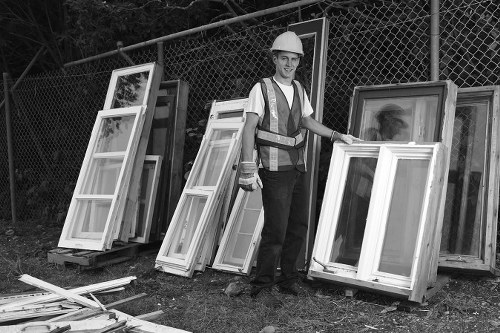 This Health and Safety Policy sets out the commitment of our organisation to maintain safe operations across all commercial waste services in Amersham and the surrounding rubbish company service area. Our aim is to protect employees, contractors, clients, visitors and the environment by applying robust safe systems of work, risk management and continuous improvement. The policy applies to all activities associated with commercial waste collection, transfer, storage and disposal, including handling of mixed commercial rubbish and segregated recyclable materials.
Scope and responsibilities
All staff and subcontractors engaged in commercial waste collection and removal within the service area must understand and comply with this policy. Senior management has overall responsibility for health and safety, ensuring that adequate resources are available, while supervisors and team leaders are responsible for day-to-day implementation. Employees have a duty to follow procedures, report hazards and stop work if an activity is unsafe. Contractors must provide evidence of competence and operate under the same safety standards as our in-house teams.
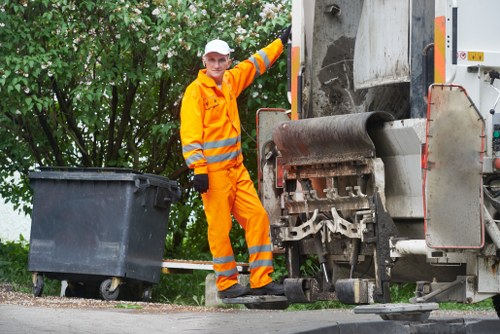 To deliver consistent, safe rubbish collection and commercial waste operations we commit to the following principles:
- Risk assessment: identify and control hazards before work begins.
- Training: provide appropriate induction and ongoing training for all staff.
- Equipment: ensure vehicles, containers and handling tools are safe and well maintained.
- Incident reporting: investigate accidents and near-misses to prevent recurrence.
Hazard identification and control
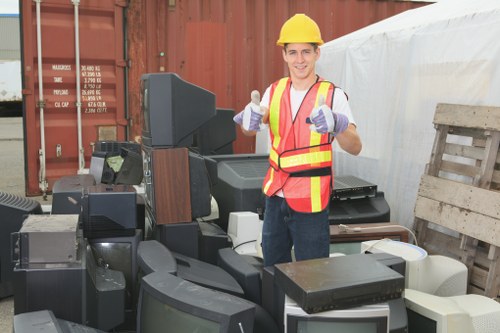 Routine site and vehicle inspections, dynamic risk assessments and job-specific method statements are used to control common hazards encountered in commercial rubbish and waste services. Typical risks include manual handling injuries, slips and trips, vehicle movements, sharps and hazardous substances present in commercial loads. Controls include safe lifting techniques, use of mechanical aids, segregated loading zones, traffic management plans and appropriate containment of hazardous materials.
Personal protective equipment (PPE) and safe working
All personnel must wear the correct PPE for the task — high-visibility clothing, gloves, safety footwear and eye protection where required. Specific jobs may require respiratory protection or chemical-resistant wear. PPE is the last line of defense and is used alongside engineering and administrative controls. Supervisors will ensure PPE is available, fitted correctly and regularly inspected. Staff are encouraged to report damaged or missing equipment immediately.
Our approach to mechanical handling and vehicle safety emphasises maintenance, operator competence and documented checks before each shift. Drivers and loaders receive training for secure loading, safe reversing procedures and minimizing manual handling. Vehicle routing and permitted stopping locations within the rubbish company service area are planned to reduce exposure to traffic risks and pedestrian interfaces.
Training, communication and competence
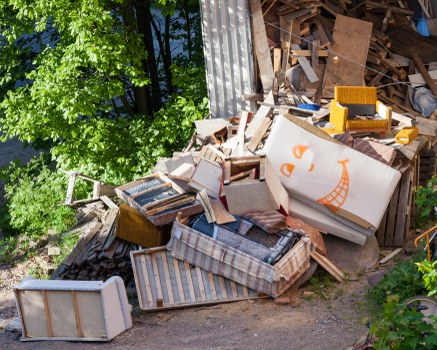 Training programmes cover induction, task-specific skills, hazardous materials awareness and emergency response. Records of training and competency assessments are maintained for all staff involved in commercial waste operations. Regular toolbox talks and briefings promote a safety culture and ensure that changes to processes, equipment or regulations are communicated promptly. Supervisors lead by example and are responsible for mentoring and coaching team members in safe working practices.
 Emergency preparedness is integral to our safety arrangements. Clear procedures are in place for fire, spillage, injury and hazardous material incidents. Emergency contacts and actions are communicated to crews without including external contact details in this document. Evacuation routes, spill kits and first-aid supplies are provided at operational sites and on vehicles. Drills and scenario-based exercises help maintain readiness and validate response plans.
Monitoring and continuous improvement are achieved through periodic audits, performance metrics and review of incidents. Key performance indicators include near-miss reporting rates, days without a lost-time incident and completion of scheduled maintenance. Lessons learned drive revisions to procedures, refresher training and investment in safer equipment. This policy will be reviewed at regular intervals and after any significant incident to ensure it remains effective and proportionate to the scale of our commercial rubbish and waste activities.
Commitment and endorsement
We are committed to providing a healthy and safe working environment across all commercial waste services in Amersham and the wider rubbish company service area. Managers and supervisors are accountable for implementing this policy and for fostering an open safety culture where concerns can be raised without fear of reprisal. The objective is zero harm — achieved through vigilance, training, appropriate resources and the consistent application of best practice.
Signed: [Authorised Representative]
This policy is a general statement of intent and applies to the operational activities of commercial waste collection, transfer and removal. It does not constitute legal advice; compliance with current statutory obligations remains the responsibility of all parties involved in waste operations.
