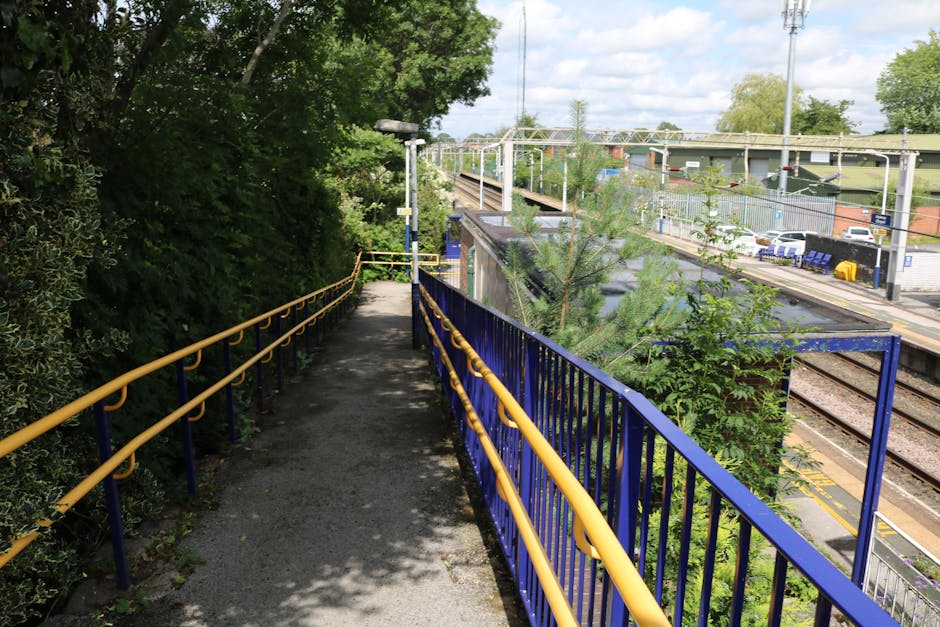
Amersham Station bulky rubbish pickup access tips
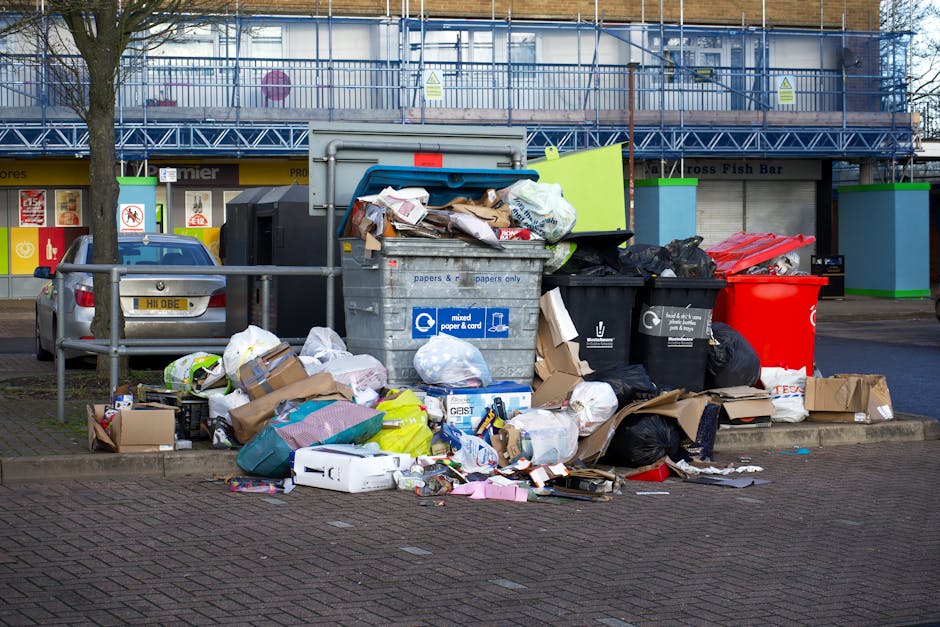
If you are trying to organise a bulky rubbish pickup near Amersham Station, the hardest part is often not the waste itself. It is the access. Tight roads, shared entrances, awkward parking, stairs, lift restrictions, wet weather, and a collection point that is just a bit too far from where the bulky items are sitting can all turn a simple job into a frustrating one. That is why clear, local, and practical Amersham Station bulky rubbish pickup access tips matter so much.
In this guide, you will find a straightforward way to plan access, avoid common setbacks, and make the pickup faster, safer, and less stressful. We will cover what the process usually involves, what to prepare before collection day, how to think about different item types, and when it makes sense to choose a fuller clearance service rather than a simple uplift. Truth be told, a few small decisions upfront can save a lot of back-and-forth later.
Why Amersham Station bulky rubbish pickup access tips Matters
Bulky waste collections are usually simple in theory: you place the item where it can be collected, a team arrives, and the job is done. In real life, access is the bit that decides whether everything runs smoothly. Around station areas, access can be affected by traffic, waiting restrictions, narrow streets, pedestrian movement, and limited stopping space. That is especially noticeable at busier times of day, when a van cannot sit outside for long without causing a blockage or risking a parking issue.
Good access planning matters because bulky items are rarely light or easy to manoeuvre. A mattress, sofa, wardrobe, desk, or broken appliance can be difficult to move around corners, through shared hallways, and down stairwells. If the route is not thought through, you end up lifting twice, or three times. And nobody wants that. A good pickup is not just about speed; it is about reducing strain, protecting walls and floors, and making sure the crew can work safely.
It also matters for communication. If the collection point is awkward, a provider may need to know in advance whether there is a concierge, whether a rear access gate is open, whether there is a lift, or whether the items are on the first floor rather than curbside. That information changes the time, the vehicle choice, and sometimes the whole method. The clearer you are, the less likely there will be surprises on the day.
Expert summary: the best access tip is usually the simplest one: plan the route from item to vehicle before anyone arrives, then remove every avoidable obstacle. That one habit solves more collection problems than people expect.
If you are also dealing with mixed household waste, old furniture, or garden clutter, it may help to look at broader waste removal support and the company's approach to recycling and sustainability. A larger, more flexible service can be a better fit when the access is fiddly or the load is not just one item.
How Amersham Station bulky rubbish pickup access tips Works
The process is usually less about a mysterious system and more about practical coordination. You identify what needs removing, check how it can be reached, decide where the vehicle can stop, and make sure the collection point is safe and clear. That is the basic shape of it. The details then depend on the property type, item size, and any restrictions around access.
For a house or flat near the station, the pickup might happen from a front garden, a shared hallway, a loading point, or an agreed spot close to the entrance. The more difficult the access, the more important it becomes to describe it clearly. For instance, "there are three steps at the front, but the rear alley is wider" is far more useful than just saying "access is fine." Small detail, big difference.
In practice, providers tend to think about three things:
- Distance: how far the item must be carried to reach the vehicle.
- Obstacles: stairs, tight corridors, locked gates, parked cars, or low ceilings.
- Safety: whether lifting the item is likely to damage property or put anyone at risk.
If the waste is simple and the access is good, a one-off pickup may be enough. If the access is tricky or there are several different item types, a broader service such as furniture disposal, mattress and sofa disposal, or even home clearance can make life easier because the team can remove multiple items in one visit.
There is also the question of what can and cannot be taken. Not every item belongs in the same load. If you are unsure, the page on what can go in a skip is a useful starting point for understanding common waste categories, even if you are not using a skip specifically. It helps you think clearly about sorting before collection day.
Key Benefits and Practical Advantages
When access is planned properly, the benefits are immediate. The pickup is quicker, the risk of damage is lower, and the whole job feels calmer. That matters more than people realise, especially when you are already dealing with a cluttered room or a deadline to clear space before moving, refurbishing, or letting a property.
Here are the biggest practical advantages:
- Less disruption: a well-planned pickup avoids unnecessary shuffling, knocking, and repeated trips through the same corridor.
- Better safety: fewer awkward lifts means reduced strain and less chance of injury.
- Cleaner presentation: if you need the area to look tidy for tenants, buyers, or staff, controlled access helps a lot.
- Faster completion: clear access can reduce collection time and keep everything on schedule.
- More accurate quoting: when a provider understands the route and item size, pricing is usually easier to estimate.
There is also a less obvious benefit: better recycling outcomes. When items are separated properly and not crushed or damaged on the way out, it can be easier to sort reusable materials from general rubbish. That is one reason why organised access pairs well with responsible recycling practices. It is not glamorous, but it is practical.
In our experience, customers often say the same thing after a smooth collection: "I wish I had cleared the route first." Exactly. That little moment of preparation can make the whole job feel much less chaotic.
Who This Is For and When It Makes Sense
This kind of planning is useful for anyone handling bulky items near a station location, but it is especially relevant if the property has limited access or if the waste is larger than a standard bag collection. Think flats, maisonettes, terraced homes, shared entrances, converted buildings, offices, and small commercial spaces. Station areas tend to have a mix of these, which is partly why access can be so variable from one address to the next.
It makes sense in situations like these:
- you are clearing a sofa, mattress, wardrobe, desk, or appliance
- items are stored upstairs, in a loft, basement, or garage
- there is no convenient place for a vehicle to stop directly outside
- you need same-day or tightly scheduled collection
- you are emptying a room before decorating, moving, or handing back keys
- you want the waste handled by a team rather than moved yourself
It is also relevant for businesses. Offices near the station often need furniture and equipment removed quickly, sometimes with staff still working around them. For that, office clearance or business waste removal can be a better fit than asking a general collection crew to improvise on the spot.
Families clearing a house after a move, landlords dealing with left-behind furniture, and homeowners tackling a long-overdue garage cleanout can all benefit from the same approach. If the items are in several rooms or levels, the more you plan the access, the easier the day will be. Simple as that, really.
Step-by-Step Guidance
Below is a practical way to prepare for a bulky rubbish pickup without overcomplicating it. You do not need a clipboard and three colour-coded plans. Just a sensible sequence.
- Identify every item. Make a list of what is going and what is staying. It sounds basic, but mixed piles are where mistakes start.
- Measure the largest pieces. Width, height, and depth matter more than people expect, especially for sofas, wardrobes, and appliances.
- Check the access route. Look at hallways, stairs, door widths, turning space, gates, and any low light or slippery surfaces.
- Decide where the vehicle can stop. If possible, choose the closest safe stopping point. If not, think through the carry distance.
- Remove obstacles. Shoes, plant pots, bin bags, toys, bikes, and loose rugs all get in the way. Tidy the route before collection time.
- Protect the property. Open doors fully, lift mats, and, if needed, use cardboard or blankets to guard floor corners and walls.
- Tell the provider the awkward bits. Mention stairs, narrow entrances, locked gates, parking limits, or time restrictions. Do not assume they will guess.
- Keep the pickup point accessible. If the waste is outside, make sure it is visible and easy to reach.
- Separate anything restricted. Items like fridges, hazardous materials, or confidential paperwork may need different handling.
- Do a final sweep. Check cupboards, under beds, and behind doors. That final check saves headaches.
If you are clearing a cluttered bedroom, a loft, or a garage, the related services on loft clearance and garage clearance can be useful because they reflect the kind of access and loading issues those spaces usually create. A loft staircase is not the same as a front-drive lift, and it should not be treated like one.
Expert Tips for Better Results
Here is where a few real-world habits make a genuine difference. These are not flashy tips, just the ones that save time and reduce hassle.
Tip 1: Think about the turning point, not just the doorway. A sofa may fit through a front door but still fail at the bend in the hall. That turning point is where many "it should fit" assumptions go wrong.
Tip 2: Clear the route in advance, not five minutes before arrival. If you are moving items while the team is already waiting, everyone feels rushed. A calm route is better than a hurried one.
Tip 3: Photograph awkward access if you can. This is especially useful for narrow side passages, basement steps, shared courtyards, and gated entries. A couple of photos can say more than a long explanation. Not always, but often enough.
Tip 4: Keep fragile surfaces protected. Wooden skirting, painted walls, glass panels, and polished floors are all vulnerable during bulky item moves. One person with good awareness is worth ten apologies after a scrape.
Tip 5: Group items by route. If some waste is upstairs and some is outside, set them apart so the crew can work in a sensible order. It sounds tiny. It is not tiny.
Tip 6: Be honest about the heaviest pieces. That old chest of drawers may look harmless until it needs lifting down stairs. Better to be upfront than to have a surprise on the landing.
Tip 7: Check timing around the station. If parking or access is more difficult at peak times, an earlier or quieter slot may be better. The streets can feel very different at 8:15 than they do mid-morning.
If you need a more structured, end-to-end removal for furniture, the dedicated furniture clearance page is a sensible next stop. And if the item list includes a broken white good, the service information on fridge and appliance removal is worth reviewing too.
Common Mistakes to Avoid
Most access problems come from small oversights, not big disasters. The good news is that most of them are preventable.
- Leaving access notes until the last minute. If there is a narrow lane, a lockable gate, or a no-parking restriction, say so early.
- Measuring only the item, not the route. An item can be the right size and still fail at the staircase.
- Assuming one person can move everything alone. Some items need two-person handling, full stop.
- Forgetting to separate restricted waste. Hazardous or sensitive items should never be mixed in casually.
- Blocking the route with "temporary" clutter. Temporary clutter has a habit of becoming permanent right when it matters.
- Parking the vehicle too far away without planning the carry. That extra distance can turn a quick uplift into a long, tiring job.
One common issue near mixed-use areas is underestimating how busy the site can be. A driveway may look fine at 10pm and be a nightmare at 11am. A corridor may be empty during the day and crowded by evening. Small changes, big consequences. It is a bit annoying, but that is how access works.
If the situation is especially complicated, a full property clearance may be less stressful than trying to force a simple pickup to do too much. Services like flat clearance or house clearance can be more suitable when the waste is spread across several rooms or levels.
Tools, Resources and Recommendations
You do not need specialist gear for every collection, but a few basic tools can make the job smoother. A tape measure is the obvious one. So is a torch if you are checking a dim hallway or a loft at the back of the house. Gloves are sensible if you are moving loose items, and sturdy shoes are a must if the route includes uneven paving or steps.
Useful things to have ready include:
- a tape measure for doors, corridors, and item dimensions
- a phone camera for quick photos of access points
- protective gloves for light handling
- cardboard, blankets, or covers for floors and corners
- a notepad for item lists and instructions
- clear labels if you are separating keep, recycle, and remove piles
If you are collecting from a home with a garden, side alley, or garage, the pages on garden clearance and garage clearance can help you think through access in those more awkward outdoor spaces. For larger refurb jobs, builders waste clearance is a better reference point because building debris has different handling needs from furniture or bagged rubbish.
If you are trying to compare service levels, the pages for pricing and quotes and book online are practical places to start. They help you line up the scope of the job with the kind of access you actually have, rather than the access you wish you had. We have all been there.
Law, Compliance, Standards, or Best Practice
For bulky rubbish pickup, the safest approach is to follow accepted UK waste-handling best practice: keep items sorted, avoid leaving waste where it could obstruct public access, and make sure anything hazardous is handled separately. If you are a business, there is an added duty to be careful with records, furniture, electrical items, and anything containing personal data. That is where specialist services such as confidential shredding may become relevant.
It is also worth being cautious about appliances and special waste. Fridges, freezers, and certain electricals can require more careful handling than standard bulky items. Likewise, materials that may be hazardous should not be mixed into a general load. The dedicated hazardous waste disposal page is there for a reason, and the reason is not just paperwork. It is about safety, lawful handling, and avoiding bad outcomes that are very expensive to undo.
Insurance and site safety also matter. If a crew has to pass through tight corridors or shared spaces, everyone benefits from clear responsibility and sensible precautions. That is why it is wise to review insurance and safety and the company's health and safety policy before booking, particularly for commercial or multi-occupancy sites.
Best practice in this area is not fancy. It is being honest about access, arranging the job around the actual site conditions, and not asking a collection team to wrestle with a route that is clearly unsuitable. Sounds obvious, but you would be surprised how often that gets ignored.
Options, Methods, or Comparison Table
There are a few ways to deal with bulky rubbish near Amersham Station, and the right one depends on item type, volume, access, and urgency. Here is a simple comparison.
| Method | Best for | Access requirement | Pros | Watch-outs |
|---|---|---|---|---|
| Single bulky pickup | One or two large items | Simple, clear route | Quick and straightforward | Less suitable if items are scattered or access is awkward |
| Furniture-focused collection | Sofas, wardrobes, tables, chairs | Moderate access, some manoeuvring space | Good for household clear-outs | May not suit mixed waste |
| Flat or house clearance | Several rooms or mixed contents | Flexible team access and planning | Efficient for bigger jobs | Needs more preparation and clearer sorting |
| Office clearance | Workspaces and commercial furniture | Access around staff, desks, and corridors | Useful for business moves | Often needs timing around opening hours |
| Specialist item removal | Appliances, mattresses, hazardous items | Item-specific handling | Safer and more compliant | Not always included in a general pickup |
If you are unsure which route fits your situation, the most sensible move is usually to choose the method that matches the hardest item, not the easiest one. That keeps surprises to a minimum. And surprises, in bulky waste, are rarely pleasant.
Case Study or Real-World Example
Here is a realistic example from a typical station-area clearance. A small flat had a two-seat sofa, a broken chest of drawers, and several bags of mixed household clutter. The access looked simple at first glance, but the front path was narrow, there were steps up to the entrance, and the hallway turned sharply before the stairs. On paper, nothing dramatic. In practice, it needed planning.
The solution was to clear the hallway first, move the smaller items out of the way, and stage the bulky pieces near the front room before collection. A quick check showed that the sofa would not comfortably turn on the first attempt, so the team adjusted the route and used a second angle through the doorway. Not a big scene. Just careful handling and a bit of patience.
The result was smoother because the access details were shared early. No one had to stand around scratching their head while trying to work out where the sofa would fit. You can almost hear the sigh of relief when a plan works first time. Nice, really.
For a similar kind of domestic job with multiple items, home clearance would often be the most efficient option. If the flat is compact and the stair access is the main challenge, flat clearance is the more relevant match.
Practical Checklist
Use this checklist before collection day. It is short for a reason. Short gets used.
- List every bulky item you want removed
- Measure the largest items and the tightest parts of the route
- Check door widths, stair turns, gates, and parking options
- Clear the path from item to exit point
- Move fragile objects out of the working area
- Separate any restricted or hazardous items
- Label what stays and what goes
- Confirm whether the pickup is from curbside, hallway, garden, loft, or another point
- Tell the provider about any delays, timed access, or site restrictions
- Have a backup plan if a gate, lift, or entrance is unavailable
If your job includes a lot of mixed furniture and household items, it may be worth comparing the options on furniture clearance, house clearance, and waste removal before booking. A slightly broader service can sometimes save a second visit, which is rarely a bad thing.
Conclusion
Amersham Station bulky rubbish pickup access tips are really about one thing: making the collection route as simple as possible before the crew arrives. If you know the item sizes, understand the access, and remove the small obstacles that slow everything down, the whole process becomes easier and safer. That is true whether you are clearing a single sofa, emptying a flat, or handling a larger commercial job.
The best results come from honest planning, clear communication, and choosing the right type of service for the access you actually have. Nothing fancy. Just practical, careful preparation. And if the route looks awkward, do not panic. It just means the job needs a bit more thought, not that it cannot be done.
Get a free quote today and see how much you can save.
For a smooth next step, you can also review pricing and quotes, then decide whether a focused pickup or a fuller clearance is the better fit. Either way, a little planning goes a long way, and that is usually enough to turn a stressful task into a manageable one.
Frequently Asked Questions
What are the most important Amersham Station bulky rubbish pickup access tips?
The most important tips are to measure the item, check the route from room to vehicle, clear obstacles, and tell the provider about stairs, gates, or parking limits before collection day.
Do I need to move bulky items to the curb before pickup?
Not always. Some pickups are from the curbside, but others can be arranged from inside a property, a garden, a garage, or a flat. The key is to confirm the access point in advance.
What should I do if the item will not fit through the door?
If the item clearly will not fit, do not force it. Measure carefully first, then consider whether the item can be safely dismantled or whether a different removal method is needed.
How do I prepare a flat or shared entrance for collection?
Keep communal routes clear, warn neighbours if needed, and make sure gates, intercoms, or lift access will be available at the arranged time. Flat access can be awkward, so a little organisation helps a lot.
Can bulky rubbish be collected from upstairs?
Yes, often it can, but stairs and landings need to be checked first. The provider will need to know whether the item must come down one flight or several, and whether any tight turns are involved.
What if I have both furniture and mixed household waste?
That is common. In many cases, a broader service such as furniture clearance or home clearance is more practical than trying to split everything into separate collections.
Are appliances handled differently from ordinary bulky waste?
Yes. Fridges, freezers, and other appliances may need special handling. It is safer to separate them early and confirm the right removal method before collection.
How can I make collection day faster?
Clear the route, group the items together, remove loose clutter, and give precise access details upfront. A few minutes of preparation can save a lot of waiting.
What are common access problems near station areas?
Common issues include limited parking, tight roads, narrow entrances, pedestrian activity, and time restrictions. These are not impossible problems, just ones that need planning.
Can I book a pickup if I am not sure about access yet?
Yes, but you should be honest that access is uncertain. If possible, share photos or measurements first so the provider can advise whether a pickup or a fuller clearance is more suitable.
Is bulky rubbish pickup better than a skip for a small amount of waste?
Often, yes. If you only have a few large items, pickup can be more convenient than organising a skip. For mixed loads, it helps to compare the job against what can go in a skip and decide which method is more practical.
What should businesses near Amersham Station consider differently?
Businesses should think about staff movement, customer access, working hours, and confidential materials. Office clearance or business waste removal is often a better fit than a simple domestic-style uplift.